


Addressing the Housing Shortage: The Rise of Factory-Built Homes
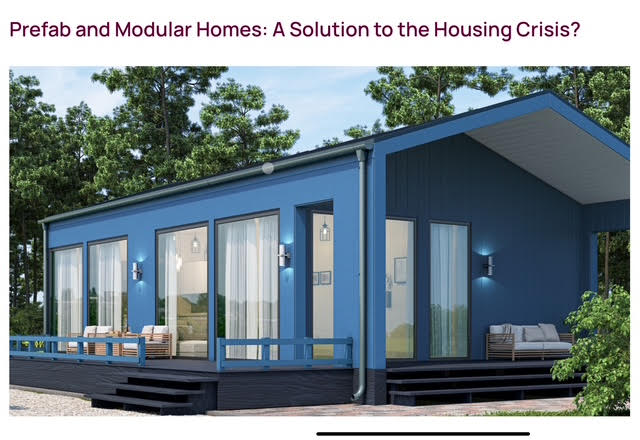
The U.S. housing shortage is estimated to be between 4 and 7 million homes, encompassing entry-level and mid-range homes for purchase, as well as multi-family units for rent. Cities, where job opportunities abound, face the brunt of this crisis, with nearly 75% of urban land zoned exclusively for single-family homes. Traditional stick-built homes, constructed on-site, take 7–12 months to complete. While housing starts have surged—up 9.6% in August 2024 to an annualized rate of 1.36 million units—it could take years to build enough homes to balance supply and demand.
The Solution: Factory-Built Homes Factory-built homes offer a faster, more cost-effective solution without sacrificing quality. These homes are partially or fully constructed in a factory, enabling streamlined processes and significant savings. They are every bit as attractive, energy-efficient, and durable as traditional stick-built homes, often outperforming them in quality.
Types of Factory-Built Home: Prefab Homes: A broad category referring to factory-made components—such as panels, cabinetry, or roof trusses—assembled on-site. Kitchens, bathrooms, and systems like HVAC are installed on-site.
Modular Homes: Built in sections within a controlled factory setting, modular homes meet local building codes and are 70% complete upon delivery. These homes are assembled on-site, offering precision and speed akin to building blocks.
Manufactured Homes: Often referred to as mobile homes, these are built to federal HUD standards and are typically completed before delivery. Once attached to a permanent foundation, they can be classified as real property, making them eligible for mortgage financing.
Kit Homes: Delivered in labeled pieces for assembly, these homes include all necessary materials—framing, roofing, electrical, and plumbing fixtures. They’re similar to the Sears Roebuck homes sold between 1908 and 1942.
The Challenges of Stick-Built Homes Stick-built homes involve numerous steps, from purchasing land to navigating inspections and delays caused by weather, supply chain issues, or labor shortages. Each phase—lot preparation, foundation pouring, framing, and finishing—introduces potential delays and cost overruns.
The Advantages of Factory-Built Homes Factory-built options significantly reduce these challenges:
Efficiency: Built in a controlled environment, they eliminate weather delays and ensure precision.
Cost Savings: Prefab and modular homes are 10–25% cheaper than stick-built homes on average. Factories purchase materials in bulk and streamline labor costs.
Speed: Modular homes are completed 50% faster, with sections built in the factory while site preparation occurs simultaneously.
Energy Efficiency: Pre-insulated materials and precise construction result in better energy performance. Factory-built homes meet stringent state and local codes, making them just as eligible for financing as traditional homes. As awareness grows, prefab and modular homes may become the preferred choice for addressing the housing crisis, offering modern, affordable, and sustainable housing solutions. At The Salaam Group, we’re here to guide you through the possibilities of factory-built homes, helping you find the perfect home that fits your lifestyle and budget.
Comments